Logisrch

Customs Clearance in Canada: The Most Common Delays and How to Avoid Them

This article covers the most common reasons Canadian importers experience customs clearance delays at CBSA, from documentation errors and wrong HS codes to missing import permits. It walks through practical steps businesses can take before their next shipment to reduce holds, build a cleaner compliance record, and work with the right partners.

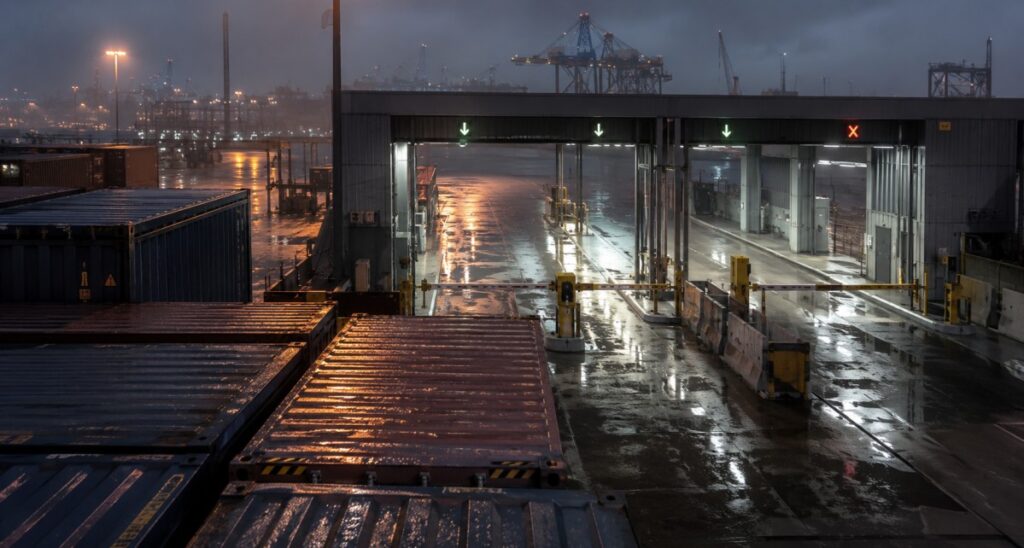
CBSA customs delays Canada inspection during customs clearance process

BLOG

Introduction: When CBSA Customs Delays Become the Biggest Problem

CBSA customs delays Canada continue to affect importers dealing with customs clearance, documentation errors, and shipment inspections.

Clearing customs never feels like a problem until a shipment gets stuck. Then it becomes the only thing you're dealing with.

A pallet of nutritional supplements held at Pearson because the label declarations didn't match the commercial invoice. Industrial components sitting at the Port of Vancouver for 11 days while a broker tracked down missing documentation. A container of furniture delayed at the border over a wrong HS code. These aren't rare disasters. They happen weekly across Canadian ports and crossings.

Most of these delays are preventable. They're not CBSA being difficult or port congestion you can't control. They come from documentation errors, classification mistakes, and import processes that were set up once and never looked at again. Here's what actually causes customs delays in Canada, and what you can fix before your next shipment arrives.

Why a Customs Hold Costs More Than the Delay When Importing to Canada

The direct cost of customs delays is relatively easy to calculate. Bonded warehouse storage typically ranges from $75 to $150 per pallet position per day at major Canadian ports. If a container exceeds its free time allowance, demurrage charges begin accumulating immediately. Additional expedite costs can also emerge when businesses are forced to reroute product to avoid production shutdowns or empty retail shelves.

  • Bonded warehouse storage: $75–$150 per pallet position per day
  • Demurrage charges increase once free time expires
  • Expedited freight costs can escalate quickly during disruptions

The indirect costs are often far more damaging—and much harder to measure accurately.

A consumer electronics importer in Mississauga experienced a three-week delay on a Q3 product launch after a shipment from Shenzhen was selected for secondary CBSA examination. By the time the cargo was released, the intended launch window had already passed.

The root cause was not a major compliance violation—it was a single incorrect field on a Commercial Invoice.

That is the reality of customs clearance: small documentation errors can compound rapidly into operational, financial, and reputational damage.

The Most Common Reasons Shipments Get Held During Customs Clearance Canada

Incorrect or Incomplete Commercial Invoices

The commercial invoice is what CBSA uses to assess what's being imported, who's bringing it in, and what duties apply (CBSA customs guidance: Canada Border Services Agency ). If it's missing required fields, has values that don't match other documents, or describes goods in language that doesn't map to a tariff classification, the shipment gets flagged.

Required fields: seller and buyer details, country of origin, full description of goods (not "general merchandise"), quantity and unit of measure, value in the currency of sale, and the Incoterms of the transaction. Miss any of these and you're looking at a hold.

Wrong or Missing HS Codes When Importing to Canada

The Harmonized System code determines your duty rate. A wrong code can mean paying at the wrong rate, triggering anti-dumping measures that don't apply to your goods, or flagging the shipment because the declared code doesn't match the description.

HS code errors happen most often when importers use codes assigned by their overseas supplier without checking them against Canada's tariff schedule. A component classified one way in China may fall under a completely different category under Canadian rules.

Country of Origin Issues and CBSA Customs Delays

Origin declarations are getting more scrutiny right now. CBSA has ramped up verification for goods coming from countries subject to additional tariffs or trade remedies. If your goods pass through a third country or involve components from multiple origins, the documentation needs to reflect that accurately.

CETA, CUSMA, and other preferential trade agreements also require proper origin documentation to access reduced duty rates. Without it, you pay the standard MFN rate, which is often significantly higher.

Missing Import Permits or Licences

Certain product categories require permits or licences before they clear customs: food products, agricultural goods, controlled substances, textiles, steel. The permit has to be in place before the shipment arrives, not after it's sitting at the border.

This one is avoidable, but it catches importers who add a new product category without checking whether it has licensing requirements.

Vague Product Descriptions Create Customs Clearance Canada Problems

CBSA needs specific descriptions. "Electronic components" or "plastic parts" gives a customs officer nothing to work with. Vague descriptions increase the odds of a shipment being selected for physical examination, which adds time whether or not anything is actually wrong.

What to Fix Before Your Next Shipment Lands When Importing to Canada

Get Documentation Right at the Source

Work with your overseas supplier to establish a documentation standard that aligns with Canadian import requirements. Do not rely on whatever invoice format the supplier typically uses by default.

  • Specify which invoice fields are required
  • Provide guidance on product descriptions
  • Confirm the correct currency format

Suppliers shipping to multiple countries often use generic invoice templates that fail to meet the detailed requirements of any one market particularly well.

Review documentation before the goods leave the origin port. Fixing an error before departure costs virtually nothing. Correcting the same issue during customs clearance can result in delays, additional charges, and missed launch windows.

Work With a Licensed Customs Broker Canada Specialist

A licensed Canadian customs broker helps verify classifications, identify documentation gaps, and often resolve issues electronically before a shipment reaches the border.

One critical point many importers overlook:

Not all customs brokers specialize in the same product categories.

  • A food and beverage broker approaches compliance differently from an industrial equipment specialist
  • Industry-specific expertise significantly improves clearance efficiency
  • The broker should match the type of products you import regularly

Verify HS Codes Before They Become a Problem

Do not leave HS code determination entirely to your supplier or carrier. Product classifications should be reviewed by a Canadian trade specialist or an experienced customs broker, especially when importing a new product category.

CBSA can pursue classification errors retroactively for up to four years, meaning even an honest mistake can result in substantial back-duty assessments long after the shipment has cleared customs.

Run a Pre-Import Checklist Before Every New Shipment

Most customs delays in Canada are caused by administrative mistakes rather than actual regulatory violations. A structured pre-import checklist significantly reduces preventable disruptions.

  • Commercial invoice complete and accurate
  • HS codes verified
  • Country of origin documented
  • Import permits confirmed if required
  • Packing list matches invoice details
  • Customs broker contact information updated

Simple administrative checks can prevent delays that would otherwise cost thousands in storage fees, demurrage, expedited freight, and operational disruption.


Why Compliance History Matters in Customs Clearance Canada

One customs delay is a disruption. Repeated delays are a pattern CBSA notices.

CBSA customs delays Canada inspection during customs clearance process

Importers with a history of documentation errors or classification issues are more likely to have shipments selected for examination going forward. More examinations mean more delays, more inspections, more cost. The compliance record you build over time directly affects how smoothly your shipments move.

Getting it right consistently takes either deep internal expertise or the right external team: a customs broker who knows your product category, and a freight forwarder who catches documentation issues before they become your problem.

How Logisrch Supports Freight Forwarding Canada and Customs Broker Canada Services

Customs clearance looks like paperwork from the outside. In reality, it sits at the intersection of trade law, tariff classification, bilateral trade agreements, and CBSA enforcement priorities. Every detail needs to be accurate, every single time.

Even small documentation or classification mistakes can quickly escalate into delays, additional costs, and operational disruption.

Logisrch connects Canadian businesses with freight and logistics service providers that match their specific import requirements, including licensed customs brokers aligned with the correct product category and trade profile.

With over 20 years of freight forwarding experience, Mubin has seen firsthand where Canadian import processes break down—and what it takes to resolve those issues efficiently.

If your shipments are being held, or if you're not fully confident in your customs clearance process, it may be time for a closer review.

Reach out at info@logisrch.com or visit www.Logisrch.com to identify potential gaps and connect with the right experts to strengthen your import operations.

FAQ

Quick Answers to Common Questions

What are the most common causes of CBSA customs delays?

The most common causes of CBSA customs delays include incorrect commercial invoices, wrong HS codes, missing import permits, country of origin issues, and vague product descriptions.

How can businesses avoid customs clearance Canada delays?

Businesses can reduce customs clearance Canada delays by verifying documentation before shipment departure, confirming HS classifications, and working with an experienced customs broker Canada specialist.

Why are HS codes important when importing to Canada?

HS codes determine duty rates, tariff treatment, and customs requirements. Incorrect HS codes can trigger inspections, additional duties, or shipment holds during importing to Canada.

What does a customs broker Canada provider do?

A customs broker Canada provider helps importers manage customs documentation, verify classifications, resolve compliance issues, and coordinate with CBSA to help shipments clear more efficiently.

How does compliance history affect future shipments?

Importers with repeated documentation or classification issues are more likely to face additional inspections and CBSA customs delays on future shipments. A strong compliance history helps shipments move more smoothly.

Why do vague product descriptions create customs problems?

Generic descriptions like “plastic parts” or “electronic components” make it difficult for CBSA officers to classify products correctly, increasing the chances of inspections and delays.

How can freight forwarding Canada providers help reduce customs issues?

Experienced freight forwarding Canada providers can identify documentation gaps early, coordinate with customs brokers, and help prevent errors before shipments reach the border.