

Demand Planning for Canadian SMBs: A Practical Starting Point That Does Not Require New Software
Cold chain logistics in Canada exposes food and pharma importers at specific, predictable failure points that standard supply chain processes often do not address:
Cold Chain Logistics Canada exposes food and pharma importers at specific, predictable failure points that standard supply chain processes often do not address: port dwell without reefer power, cross-border handoffs through US distribution centers unfamiliar with CFIA requirements, and final-mile delivery in Canadian winter conditions. This article breaks down the most common places where cold chain integrity fails for Canadian importers, what qualified cold chain operations actually look like in practice, and why seasonal adaptation is a non-negotiable part of any serious cold chain setup. Logisrch is positioned as the partner to connect food and pharma importers with the right freight forwarders, customs brokers, and cold chain carriers for their specific cargo and trade lanes.
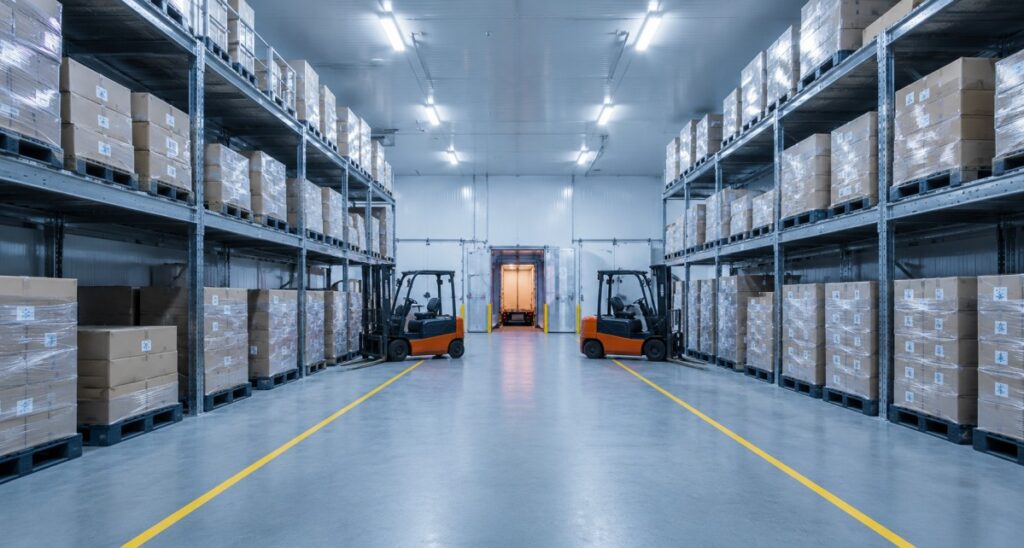
port dwell without reefer power, cross-border handoffs through US distribution centers unfamiliar with CFIA requirements, and final-mile delivery in Canadian winter conditions. This article breaks down the most common places where cold chain integrity fails for Canadian importers, what qualified cold chain operations actually look like in practice, and why seasonal adaptation is a non-negotiable part of any serious cold chain setup. Logisrch is positioned as the partner to connect food and pharma importers with the right freight forwarders, customs brokers, and cold chain carriers for their specific cargo and trade lanes.
BLOG
Introduction:
Cold Chain Logistics Canada operations are becoming increasingly complex for food and pharmaceutical importers. Forget the rate sheet for a minute. When you are importing temperature-sensitive goods into Canada, cold chain logistics is the one area where a single mistake does more than just hurt your bottom line.
Most food and pharma importers in Canada already have some kind of cold chain process in place. The issue is that many of these protocols were established back when global supply chains were much more predictable than they are now. What worked five years ago often isn't enough to handle the volatility of the current import environment, especially for businesses focused on importing to Canada from overseas suppliers.
What Cold Chain in Canada Actually Involves
Cold chain logistics is the constant management of temperature across every single movement a shipment makes, from the moment it leaves the supplier to the second it hits the final warehouse shelf. For food importers, this usually means keeping chilled products between 0°C and 8°C or frozen goods at -18°C or colder. Pharmaceutical and nutraceutical companies often have even tighter margins, such as 2°C to 8°C for biologics or a strictly controlled room temperature of 15°C to 25°C for certain over-the-counter products.
The reality is that the chain is only as strong as its weakest leg. A reefer container might maintain a perfect temperature for weeks from Shanghai to Vancouver, but everything can go wrong in the two hours it takes to move that container from the port to a regional trucker who shows up with a standard dry van instead of a refrigerated unit.
A food importer in Mississauga learned this the hard way in January 2025. They were bringing in dairy-adjacent confectionery from a supplier in France. While the ocean leg was handled perfectly, a drayage carrier in Montreal picked up the container without pre-conditioning the refrigerated unit. By the time it reached the CFIA inspection, three pallets were flagged. The importer had to write off about $60,000 in product and completely missed their first-quarter grocery promotional window. It wasn't a failure of technology; it was a failure of the handoff.
Where Canadian Importers Run Into Cold Chain Problems
One of the most overlooked risks in Canada's cold chain network is port dwell time. When vessels arrive at ports such as Vancouver or Montreal, temperature-sensitive cargo is not always connected to a reefer plug immediately. During periods of congestion, labor shortages, or operational delays, containers can remain without active power for 12 to 24 hours.
For pharmaceutical importers, understanding a carrier's reefer plug procedures and working with a freight forwarder that has direct terminal visibility is critical. Food importers face the same risk, yet many do not discover the issue until a shipment has already been compromised.
Cross-border trucking from the United States introduces another layer of complexity. Many Canadian businesses route temperature-sensitive products through U.S. distribution centers before moving them into Ontario, Quebec, or other provinces. While changing tariffs and customs requirements have created additional challenges, temperature control during the final cross-border leg often presents the greatest risk.
Importers that rely on U.S.-based third-party logistics providers without strong CFIA experience frequently encounter avoidable border delays. In many cases, these delays are not caused by freight costs or transportation capacity, but by documentation gaps, compliance issues, or inadequate planning. This remains one of the most common challenges facing businesses involved in cross-border logistics between Canada and the United States.
Documentation is equally important. Pharmaceutical shipments require complete temperature excursion records covering the entire transportation journey Food products imported under the Safe Food for Canadians Regulations must also maintain accurate storage, handling, and traceability records.
Missing temperature logs, incomplete handling records, or gaps in shipment documentation can result in cargo holds, inspections, or outright rejection at the border. This is why choosing a customs broker with expertise in your specific product category is just as important as selecting the right carrier. The right broker can help ensure smooth clearance, while the wrong one can create costly delays and unnecessary risk.
What a Reliable Cold Chain Operation Actually Looks Like
The importers who consistently get cold chain logistics right share a few important habits. Rather than focusing only on equipment, they pay close attention to the processes and partners that keep temperature-sensitive shipments protected throughout the journey.
They do not simply choose carriers with refrigerated trucks. They work with carriers whose drivers are trained in temperature-control procedures and who have clear protocols in place for equipment failures or unexpected disruptions. They also invest in real-time monitoring technology that provides visibility throughout the shipment's journey.
Temperature logging devices that transmit live data allow importers to respond before a minor issue becomes a major loss. If a temperature spike occurs midway through a 22-day ocean shipment, the importer can alert the carrier, prepare the consignee, and take corrective action. Identifying a problem while the cargo is still in transit is far preferable to discovering it after the shipment arrives at the warehouse.
Successful importers also avoid relying on generalist freight forwarders. A forwarder that primarily handles apparel or consumer electronics may perform well in those sectors, but cold chain logistics requires specialized expertise, industry relationships, and a deep understanding of temperature-sensitive transportation. Working with an experienced freight forwarder that regularly manages reefer cargo can significantly reduce operational risk.
Compliance is another area where leading importers stay ahead. They address the requirements of the CBSA, CFIA, and Health Canada before cargo leaves the supplier's facility rather than attempting to resolve issues during customs inspections or border examinations. Building compliance into the process from the start helps prevent costly delays, product holds, and regulatory complications.
The Canadian Winter Factor
Winter conditions can introduce temperature-control risks that are not present during other seasons, making seasonal planning essential for food and pharmaceutical importers.
Finally, Canadian importers must account for winter operating conditions. Assuming that a logistics strategy that works in the summer will perform the same way in January can create significant risk for temperature-sensitive shipments.
Winter trucking operations often involve slower equipment pre-conditioning, longer handling times, and a greater likelihood of temperature fluctuations during transfers in major logistics hubs such as Toronto and Montreal.
One pharmaceutical importer in the GTA was forced to revise its winter shipping procedures after a shipment of biologics was compromised during the final stage of delivery. The vehicle had not been properly pre-heated, and exposure to ambient winter temperatures resulted in additional testing requirements and unexpected costs.
The company now requires mandatory equipment pre-conditioning for all temperature-sensitive deliveries between November and March. For Canadian importers, adapting operations to seasonal conditions is not optional—it is a critical part of maintaining a reliable and compliant cold chain.
Where to Start
In cold chain logistics, success depends as much on the quality of your partners as it does on the quality of your equipment.
Cold chain logistics in Canada only works when every participant in the supply chain—from the freight forwarder and carrier to the customs broker and terminal operator—is aligned and fully equipped to manage temperature-sensitive cargo. In many cases, failures do not occur because of equipment issues but because of breakdowns during critical handoff points.
Logisrch helps food and pharmaceutical importers connect with logistics providers that understand the operational, compliance, and temperature-control requirements involved in cold chain transportation. Whether you need a freight forwarder with reefer expertise or a customs broker experienced in Health Canada documentation, our goal is to help businesses find the right partners for their specific supply chain needs.
With more than 20 years of experience in freight forwarding, Mubin has seen firsthand where cold chain operations typically break down. In most situations, the issue is not the equipment itself but the communication, coordination, and expertise of the service providers involved.
If you would like to review your current cold chain setup or discuss potential risks within your supply chain, contact the Logisrch team at info@logisrch.com.
Related Logistics Insights
Air Freight vs Ocean Freight Cost Canada → CBSA Customs Delays Canada → Safety Stock Importing to Canada →FAQ
Quick Answers to Common Questions
The biggest risk is usually not the ocean journey itself but the handoff points between service providers. Temperature-sensitive cargo can be compromised during port transfers, drayage movements, warehouse handling, or final-mile delivery. Businesses importing to Canada should ensure every carrier, warehouse, and logistics partner follows documented temperature-control procedures.
Specialized freight forwarding Canada providers coordinate temperature-controlled transportation, monitor reefer equipment, manage carrier handoffs, and help prevent delays that could impact product integrity. They also work closely with terminals, carriers, and customs authorities to maintain visibility throughout the shipment journey.
A qualified customs broker Canada can help ensure all required documentation, temperature records, and regulatory filings are completed correctly before arrival. For food imports, CFIA compliance is critical, while pharmaceutical shipments may require detailed temperature excursion logs and Health Canada documentation.
When selecting a freight forwarder GTA, businesses should prioritize experience with refrigerated freight, reefer container management, terminal relationships, real-time temperature monitoring, and knowledge of Canadian import regulations. Experience with food, pharmaceutical, and nutraceutical imports is especially important.
Successful cross-border logistics Canada operations depend on proper documentation, qualified temperature-controlled carriers, pre-conditioned equipment, real-time shipment monitoring, and contingency plans for border delays. Working with experienced logistics partners helps minimize disruptions and maintain product quality throughout transit.