

Warehousing Strategy for Canadian Businesses: Own, Lease or 3PL
Choosing the right warehouse setup can have a major impact on your costs, flexibility, and ability to grow.
Choosing the right warehouse setup can have a major impact on your costs, flexibility, and ability to grow. This article explores the pros and cons of owning, leasing, and using a 3PL, helping Canadian importers understand which option makes the most sense based on their inventory volumes and operational needs. It also highlights real-world challenges businesses have faced in recent years and explains how Logisrch helps connect importers with the right 3PLs, freight forwarders, and logistics partners across Canada.
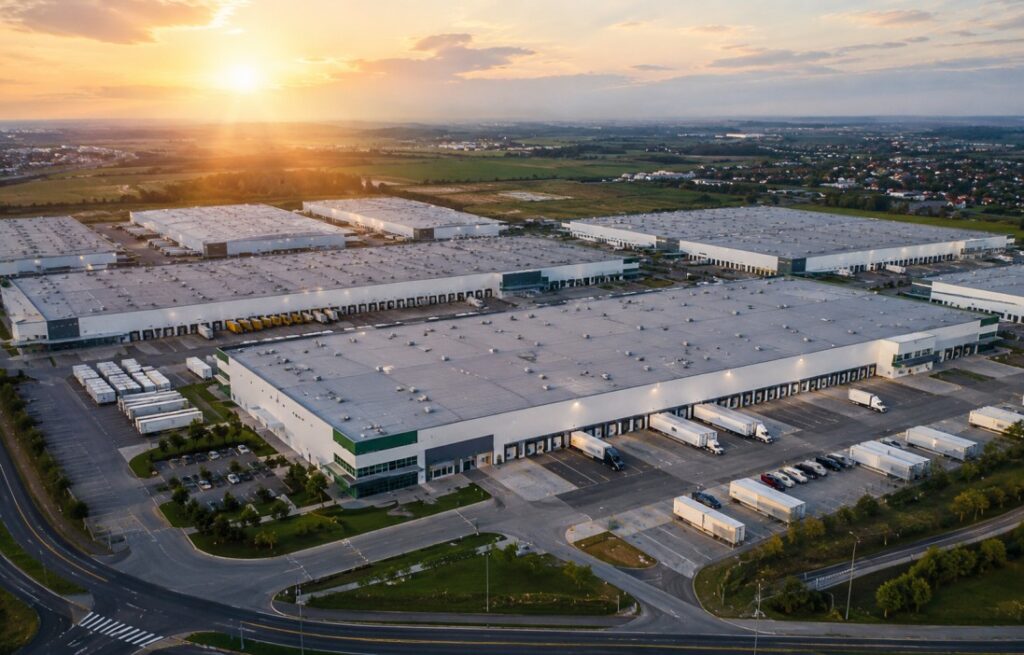
This article explores the pros and cons of owning, leasing, and using a 3PL, helping Canadian importers understand which option makes the most sense based on their inventory volumes and operational needs. It also highlights real-world challenges businesses have faced in recent years and explains how Logisrch helps connect importers with the right 3PLs, freight forwarders, and logistics partners across Canada.
BLOG
Introduction: Warehousing Canada: Should You Own, Lease, or Use a 3PL?
Deciding on a warehouse strategy is rarely something that ends up as a scheduled item on a yearly calendar. It usually forces its way into the conversation because the walls of your current facility are closing in, your overhead costs have spiraled into territory that no longer makes sense, or a major customer has suddenly demanded two-day delivery windows that your current setup simply cannot meet.
For Canadian businesses managing imported goods, this isn't just about finding four walls and a roof. There are layers to this decision that most general supply chain advice tends to overlook, such as sudden shifts in trade policy, the unpredictability of cross-border shipping timelines, and the harsh reality of seasonal logistics in the Canadian climate. Getting this right protects your margins, but getting it wrong can create a financial or operational drag that takes years to fix.
Understanding Your Warehousing Options in Canada
When you look at warehousing, you aren't just looking at square footage. You are actually deciding how much of your capital you want locked up in fixed costs, how much direct control you need over the physical handling of your inventory, and how confident you are in your long-term import volumes.
There are three main paths: owning, leasing, or using third-party logistics.
Ownership involves a massive capital commitment to buy or build a facility you control. Leasing provides dedicated space under a contract with a landlord, giving you a fixed location without the debt of a purchase. Then there is third-party logistics, or 3PL, which is an outsourced model where a provider manages everything from receiving to fulfillment in their own space, and you pay based on your actual activity.
Every business has a different risk profile. A company in the Greater Toronto Area moving eighty containers a year is facing an entirely different set of variables than a business importing twelve containers annually from Asia. For companies focused on importing to Canada, choosing the right warehousing model can have a direct impact on profitability and customer service.
When Owning Warehouse Space Makes Sense
Owning warehouse space can be an attractive option for Canadian businesses with stable inventory volumes, predictable demand, and long-term growth plans. Unlike leasing or outsourcing to a third-party logistics provider (3PL), ownership provides complete control over warehouse operations, inventory management, security procedures, and facility upgrades.
For importers moving large volumes of goods through major logistics hubs such as Toronto, Vancouver, Montreal, or Calgary, owning a warehouse can reduce long-term operating costs and eliminate recurring lease payments. Businesses also gain the flexibility to customize warehouse layouts, install specialized equipment, and implement processes that align with their operational requirements.
However, warehouse ownership comes with significant financial commitments. Purchasing industrial real estate requires substantial upfront capital, ongoing maintenance expenses, property taxes, insurance costs, and facility management resources. These fixed costs remain regardless of fluctuations in inventory levels or market demand.
Canadian businesses should also consider future supply chain requirements before investing in warehouse property. Changes in trade policies, customer demand, sourcing strategies, or transportation networks can quickly impact warehouse utilization. What feels like the perfect facility today may become either too small or unnecessarily expensive within a few years.
Regulatory compliance remains an important consideration for businesses handling food products, pharmaceuticals, or other regulated goods. Importers should ensure their warehousing operations comply with applicable Canadian regulations, including the Safe Food for Canadians Regulations where applicable.
In general, warehouse ownership is best suited for businesses with predictable inventory volumes, strong cash flow, long-term market confidence, and a need for maximum operational control. Companies experiencing rapid growth or fluctuating demand often find that leasing or partnering with a 3PL provides greater flexibility and lower financial risk.
Leasing Warehouse Space: More Control, More Commitment
Leasing dedicated warehouse space sits in the middle of the warehousing spectrum.
It provides a permanent home for your inventory without requiring the substantial financial commitment that comes with purchasing a facility. For businesses handling moderate to high import volumes and operating with a relatively predictable three-to-five-year growth outlook, leasing is often the most practical solution.
The Primary Advantage: Control
One of the biggest benefits of leasing warehouse space is the level of operational control it provides.
Your team manages inventory, your security protocols protect products, and your internal standards determine how warehouse operations are executed. This level of oversight can be particularly valuable for importers handling fragile goods, regulated products, or inventory that requires specialized quality-control procedures.
The Main Drawback: Commitment
While leasing offers greater control, it also comes with long-term obligations.
In the Greater Toronto Area (GTA), warehouse lease agreements commonly range from three to five years. If import volumes decline unexpectedly, the monthly rent remains unchanged, regardless of how much space is actually being used.
This became a significant challenge for some businesses in early 2025 when trade policy changes led to a sharp reduction in U.S.-sourced import volumes. Companies tied to long-term warehouse leases found themselves paying for space they no longer required.
For example, a health products importer in Scarborough spent several months attempting to sublease excess warehouse capacity after demand slowed unexpectedly.
Evaluate Your Risk Before Signing
Before committing to a warehouse lease, businesses should carefully stress-test their growth projections and consider multiple demand scenarios.
A simple but important question to ask is:
What happens if projected growth never materializes?
Having a clear answer can help prevent costly lease obligations from becoming a burden if market conditions change unexpectedly.
Why Many Importers Choose a 3PL
The third-party logistics model operates on variable costs rather than fixed costs.
For many businesses, especially those with fluctuating import volumes, this flexibility can be extremely valuable.
The Primary Advantage: Flexibility
You pay for what you use. Storage costs are based on pallet positions, while fulfillment charges are tied to actual activity. If you import fifteen containers during peak season and only four during slower months, your costs generally move in line with your business.
This flexibility makes 3PLs one of the most popular warehousing Canada solutions for growing importers.
The Challenge at Scale
Businesses with consistently high volumes often discover that ongoing per-pallet and per-order fees eventually exceed the cost of dedicated warehouse space. Many companies reach a point where they realize they should have transitioned away from a 3PL much earlier.
Choosing the Right 3PL
It is also important to understand that not every 3PL specializes in the same type of operation. A provider optimized for e-commerce fulfillment may not be the right fit for businesses handling industrial products, specialized documentation, or complex inventory management requirements.
How to Choose the Right Warehouse Strategy
The decision usually comes down to two factors: predictability and control.
Predictability of Demand
If your business can accurately forecast future volumes and those volumes are high enough to justify fixed costs, leasing becomes a strong option.
If your volumes fluctuate significantly or remain vulnerable to shifts in trade policy, supplier changes, or market conditions, a 3PL often provides a safer operational cushion.
Product Handling Requirements
The second factor is product handling.
If your inventory can move through standard warehouse processes, outsourcing to a 3PL is usually straightforward.
However, if your operation involves specialized inspections, custom quality-control procedures, or highly regulated products, dedicated warehouse space may provide the level of control you need.
Finding the Right Balance
For many businesses building a resilient supply chain Canada strategy, this balance between flexibility and control is one of the most important logistics decisions they will make.
Common Mistakes Businesses Make
Most warehousing decisions do not fail because of the facility itself.
They fail because of inaccurate forecasting.
The Forecasting Challenge
Businesses often commit to space based on current conditions without considering how supplier changes, tariff adjustments, or market shifts could affect inventory levels eighteen months later.
A warehouse that feels appropriately sized today can quickly become either insufficient or unnecessarily expensive if market conditions change unexpectedly.
Beyond Warehouse Costs
This decision influences far more than warehouse expenses alone.
It affects landed costs, inventory availability, customer satisfaction, cash flow, and overall operational efficiency across the supply chain.
The Value of Expert Guidance
Working with experienced logistics providers, freight partners, and a knowledgeable freight forwarder GTA businesses trust can help identify potential risks before long-term commitments are made.
The right guidance can help businesses build a warehousing strategy that supports growth while maintaining the flexibility needed to adapt to changing market conditions.
Getting the Right Logistics Partner
Choosing between ownership, leasing, and a 3PL is not simply a real estate decision. It is a supply chain decision.
Evaluating the Right Logistics Strategy
Logisrch works with Canadian businesses to help evaluate warehousing, transportation, and distribution options across the country.
Whether you are comparing 3PL providers, exploring logistics solutions Toronto businesses rely on, or determining whether it is time to move into dedicated warehouse space, having an outside perspective can help uncover risks and opportunities that are easy to miss internally.
Experience That Matters
Mubin brings twenty years of freight forwarding experience to these discussions, having seen firsthand where warehousing strategies succeed and where they create long-term operational challenges.
This practical industry knowledge helps businesses make informed decisions that support both short-term efficiency and long-term growth.
Planning Before the Contract
In most cases, the outcome is determined long before the contract is signed. The difference comes down to due diligence, forecasting, and choosing partners that align with your business goals.
Businesses that invest time in evaluating future requirements, operational risks, and growth projections are far more likely to build resilient and cost-effective supply chain strategies.
Start the Conversation
If you would like to discuss your current warehouse strategy or future growth plans, contact Logisrch to explore the options available for your operation.
If you're working through a warehousing decision for your Canadian import operation, contact Logisrch at info@logisrch.com .
Related Logistics Insights
Air Freight vs Ocean Freight Cost Canada → CBSA Customs Delays Canada → Safety Stock Importing to Canada →FAQ
Quick Answers to Common Questions
The best option depends on your import volumes, growth plans, and operational requirements. Businesses with fluctuating inventory often benefit from a 3PL, while companies with stable, predictable volumes may find leasing dedicated warehouse space more cost-effective.
Many businesses consider moving from a 3PL when their storage and fulfillment volumes become consistently high enough that ongoing per-unit fees exceed the cost of a dedicated leased facility.
For most small and mid-sized importers, leasing offers greater flexibility and requires significantly less capital than purchasing a warehouse. Buying typically makes sense only when volumes are large, stable, and long-term.
An experienced freight forwarder GTA companies work with can provide insights into inventory flow, transportation costs, distribution networks, and warehouse requirements, helping businesses choose the most efficient logistics setup.
Warehousing plays a critical role in supply chain Canada strategies by affecting inventory availability, order fulfillment speed, transportation costs, and overall customer satisfaction. The right warehouse model can improve both operational efficiency and profitability.